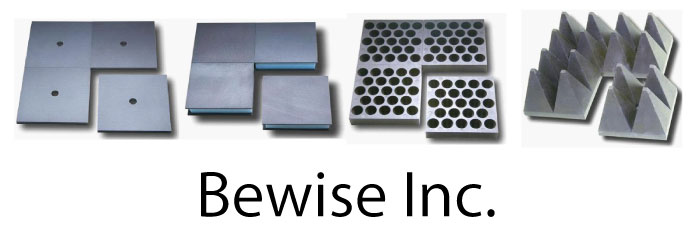
吸波材料一般由基體材料和吸收介質複合而成,能將投射到它表面的電磁波能量吸收,並通過材料的介質損耗使電磁波能量轉化成為熱能或其他形式的能量。好的吸波材料具有質輕、耐溫、耐濕和抗腐蝕等性能,現今電子零件輕薄短小趨勢,其吸波材料發展也朝向”材料薄、重量輕、頻段寬、強度強”等。
吸波材料特性:
beeway 發表在
痞客邦
留言(0)
人氣()

金屬及其合金在切削、成形、處理和保護等過程中使用的潤滑油,統稱為切削液。
切削液的作用:
beeway 發表在
痞客邦
留言(0)
人氣()

在金屬切削加工過程中,使用切削液是為了降低切削時的切削力,及時帶走切削區內產生的熱量以降低切削溫度,提高刀具耐用度,從而提高生產效率,改善工件表面粗糙度,保證工件加工精度,達到最佳的經濟效果。
切削液的分類:
beeway 發表在
痞客邦
留言(0)
人氣()

Milling is one of the most common and most widely used processing methods, and for roughing milling of the various structural components and fine milling is almost by end milling. There are two ways, clockwise and anticlockwise milling, according to the cutting direction. The movement of the cutting edge and work piece is in the opposite direction or same direction, divided into the two kinds of conventional milling and climb milling.
Anticlockwise Milling:
Milling direction and feed in the opposite direction (milling against the feed) is anticlockwise milling; chip caused from the bottom into upper, so we also call it as up milling; Since the traditional processing and milling mostly used this way, so we also called it as conventional milling.
beeway 發表在
痞客邦
留言(0)
人氣()
Effective working solution depends on correct cutters, operation method, and technology.
Usual cutting conditions and major influence factors of CNC machines.
|
Introduction |
Formula |
Cutting Data V(m/min) |
Cutting speed is decided by the diameter of end mills and its rpm |
 |
V=Cutting speed(m/min)
D=diameter(mm)
N=rpm of one min of end mills(min-1) |
Feed speed F(mm/min) |
Feed speed is the speed of relative one of work piece. Feed rate per flute is important for multi-flute end mills. |
 |
F=Feed speed per minute
z= number of flute
f= Feed volume per flute |
Cutting depth a(mm) |
Cutting depth is the thickness of flute machining on work piece. We always increase cutting depth to achieve its efficiency, but it is too deep to short tool life. It’s better to give proper cutting depth per flute, don’t increase feed rate and cutting depth together. |
-- |
-- |
Feed rate per flue
f(mm/刃) |
Once a flute to cut |
-- |
-- |
Cutting width b(mm) |
Vibration caused by diameter of end mill, width of work piece, flute numbers, and cutting width. |
-- |
-- |
beeway 發表在
痞客邦
留言(0)
人氣()

This list includes eight cutter materials and their contrast as below:
Mono Diamond)
CO PCD
Si PCD
PCBN
Si3N4
SiC
WC
Steel
beeway 發表在
痞客邦
留言(0)
人氣()
There are higher requirements and more difficulties for many hardened molds. Hence general carbide cutters cannot reach such request of accuracy. Therefore, it should pay more attention to selection of cutting tools for hardened material.
Since hardening material which HRC is above 50, with higher hardness, the carbide cutter is difficult to meet the processing requirements, it will cause badly wear even break after CNC machining for about ten minutes. General carbide cutters cannot reach the request accuracy because the hardened mold is with higher requirement and difficulty.
Some points for choosing cutters for machining hardened materials as below:
beeway 發表在
痞客邦
留言(0)
人氣()

There are two grades of cemented carbide, tungsten carbide and tungsten steel.
One is pure carbide and anti hole types. Pure carbide contains carbides and cobalt only, with best strength and anti-wear characteristics, and its strength and abrasion resistance will be reduced by adding any other substances, it is usually used for cutting cast iron and non-ferrous metal materials. But the pure carbide cannot endure high temperature, its scrap will stick on the cutter blade face easily during high heat, which causes the flank depression by its diffusion. Carbide added tantalum carbide and titanium carbide is with high temperature resistance because these two ingredients are with higher melting point than tungsten carbide, relatively its strength and anti-ear characteristics are lower than pure carbide.
beeway 發表在
痞客邦
留言(0)
人氣()

由於不銹鋼所具有耐蝕能力,並在較高溫度(>450℃)下具有較高的強度特性,越來越廣泛地應用於航空、航太、化工、石油、建築和食品等工業部門及日常生活中。所含的合金元素對切削加工性影響很大,有的甚至很難切削。
不銹鋼切削加工特性:
加工硬化嚴重
切削力大
切削溫度高
切屑不易折斷、易粘結
刀具易磨損
線膨脹係數大
beeway 發表在
痞客邦
留言(0)
人氣()

不銹鋼通俗地說,不銹鋼就是不容易生銹的鋼,實際上一部分不銹鋼,既有不鏽性,又有耐酸性(耐蝕性)。不鏽鋼的不鏽性和耐蝕性是由於其表面上富鉻氧化膜(鈍化膜)的形成。由於不銹鋼材具有優異的耐蝕性、成型 性、相容性以及在很寬溫度範圍內的強韌性等系列特點,所以在重工業、輕工業、生活用品行業以及建築裝 飾等行業中獲取得廣泛的應用。上一篇”不鏽鋼介紹”有更詳細介紹,此篇介紹各種不銹鋼標準鋼號對照表。
不銹鋼標準鋼號對照表:
beeway 發表在
痞客邦
留言(0)
人氣()

許多難加工材料應用廣泛,其中難加工材料,如不銹鋼中Cr和Ni含量較高,Cr雖能提高不銹鋼的強度和韌性,但增加了不銹鋼與刀具的粘結傾向;Ni可起到穩定組織的作用,但組織塑性大,容易引起加工硬化,採用鎢鈷類硬質合金刀具進行加工,但加工效果並不十分理想。
碧威不銹鋼專用切削刀具是以最新金屬陶瓷材料製作而成,針對成分內含鎳18%以上的難切削材而開發,擁有更好的抗折強度及濕式切削,加工時有更優越的耐損性和穩定性,在加工不銹鋼切削壽命更是鎢鋼刀具5倍以上且在切削表面具有優異的表現。
beeway 發表在
痞客邦
留言(0)
人氣()
不鏽鋼(Inox)不像普通鋼那樣容易腐蝕生鏽。鉻是使不銹鋼獲得耐蝕性 的基本元素,鋼中加入鉻、鎳使其表面會產生防鏽的氧化膜,從而保護鋼材本身受到外界環境中的空氣(尤指氧氣 )、水、某些酸、鹼的氧化腐蝕,為了保持不銹鋼所固有的耐腐蝕性,鋼必須含有 12%以上的鉻,除鉻外,常用的合金元素還有鎳、鉬、鈦、鈮、銅、氮等,以滿足各種用途對不銹鋼組織 和性能的要求。
不銹鋼按組織狀態分類 :
beeway 發表在
痞客邦
留言(0)
人氣()
